



“We wind a simple ring of iron with coils; we establish the connections to the generator, and with wonder and delight we note the effects of strange forces which we bring into play, which allow us to transform, to transmit and direct energy at will” – Nikola Tesla.
The Department of Electrical and Electronics Engineering (EEE) was established in 2012 with an intake of 60 students and is affiliated with Jawaharlal Nehru Technological University Hyderabad (JNTUH), Hyderabad. The department received its first NBA accreditation in 2018–19 and was reaccredited in 2025–26 for another three years, reflecting its commitment to quality engineering education.
The department is equipped with experienced faculty members, modern laboratories, and an industry-oriented curriculum that combines strong theoretical foundations with practical learning. It aims to nurture competent, innovative, and ethical engineers capable of addressing the technological challenges of industry and society.
Students are encouraged to enhance their technical skills through certification programs offered by NPTEL, edX, Coursera, and IIT. The department’s technical association Deeptha and professional student chapters of IEEE, ISTE and IEI regularly organize workshops, guest lectures, seminars, webinars, technical competitions, and project expos to foster innovation and professional development.
To strengthen industry exposure, the department facilitates industrial visits and internships at leading organizations such as Accenture, Viswam.AI, IIIT Hyderabad, Cummins Generator Technologies, ZF, South Central Railway, Aqua Pump Industries and several other reputed industries. These initiatives help bridge the gap between academics and industry while enhancing students’ employability.
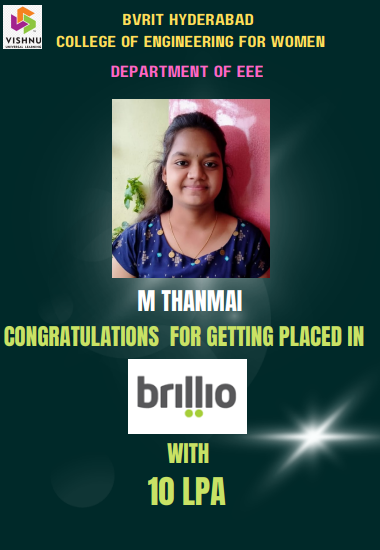
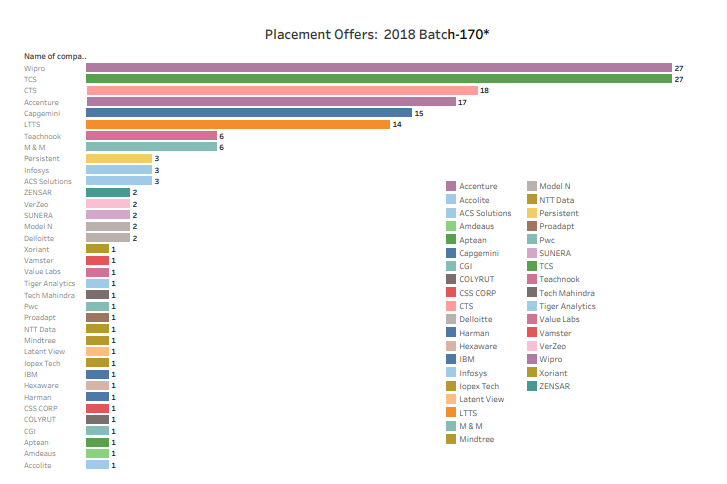
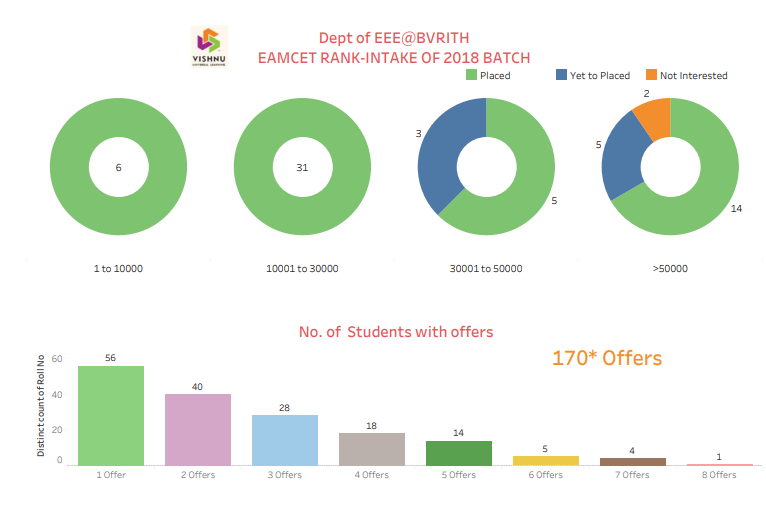
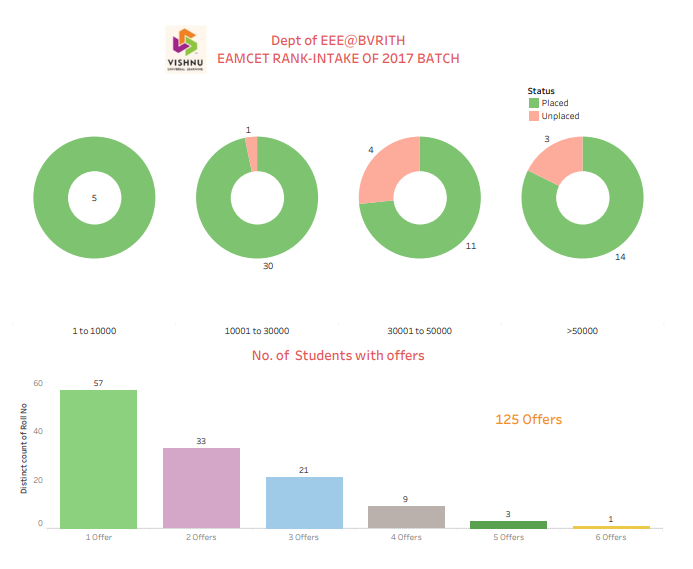
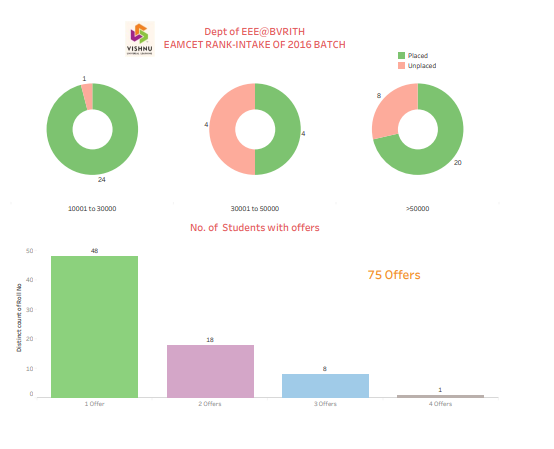
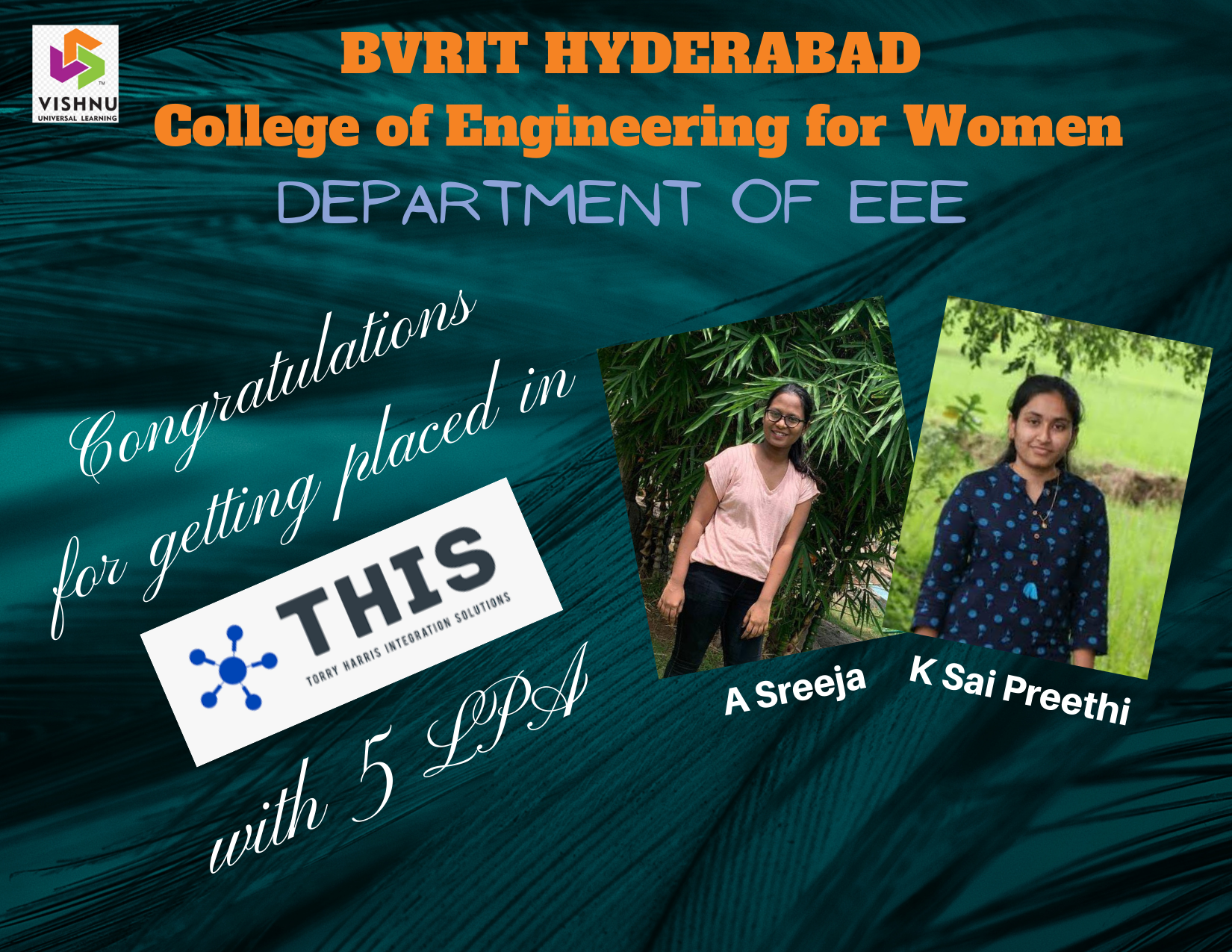
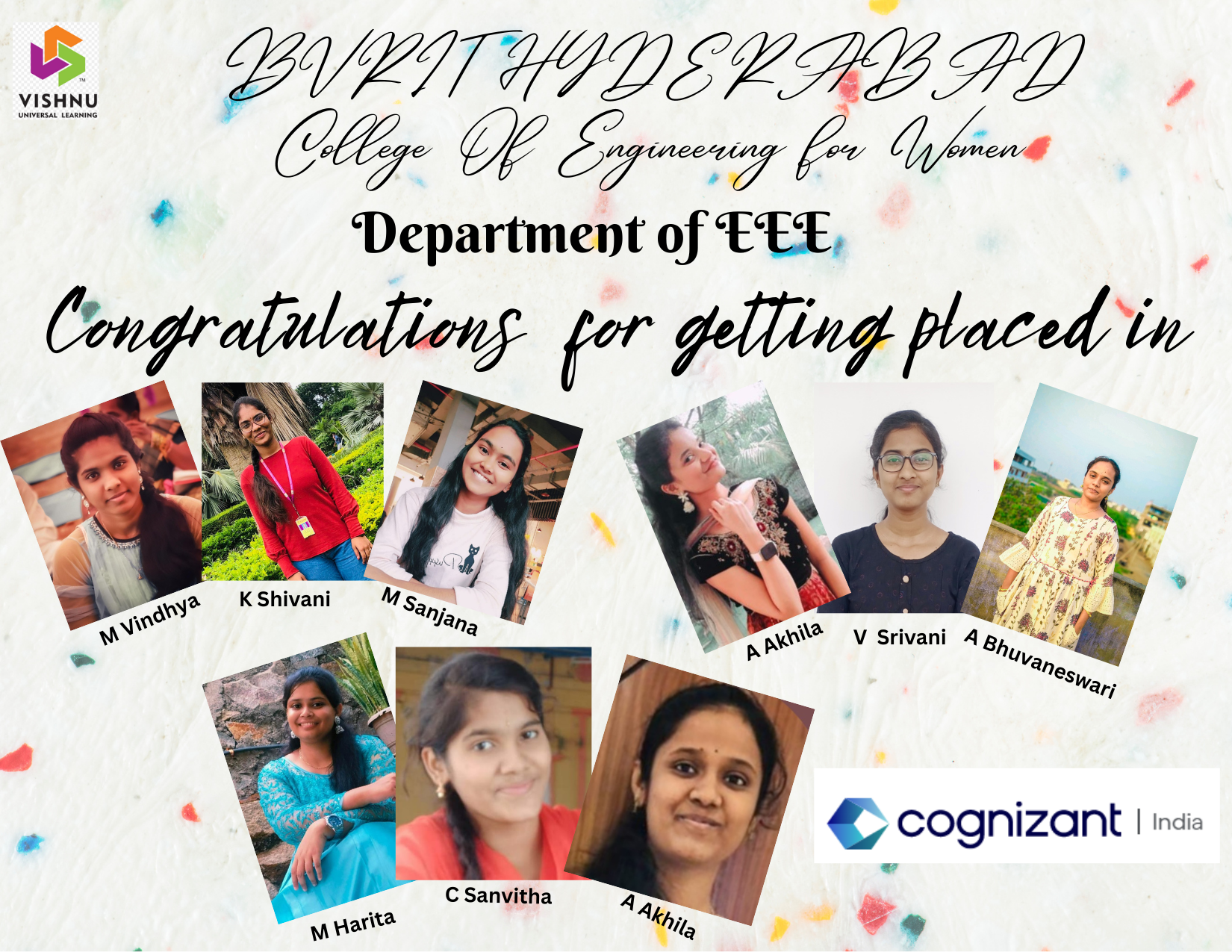
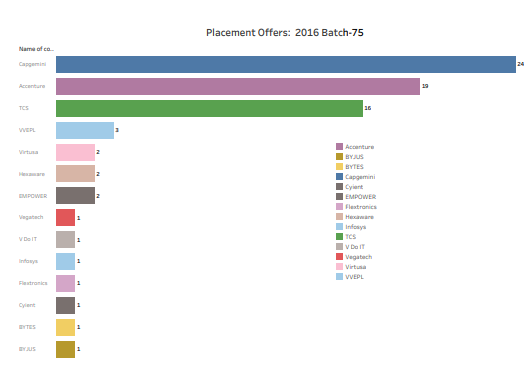
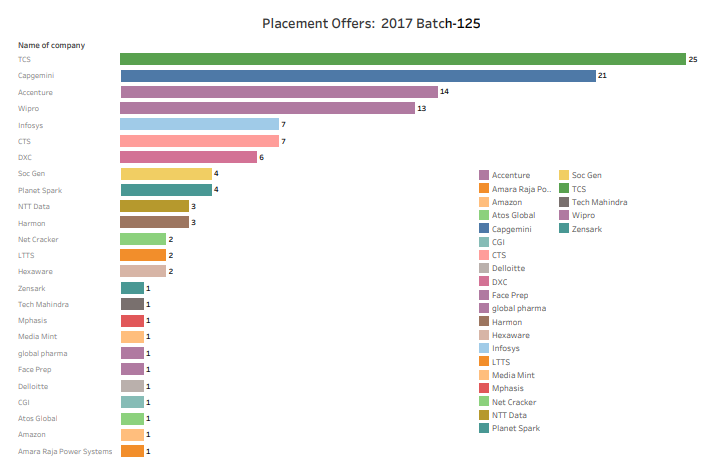
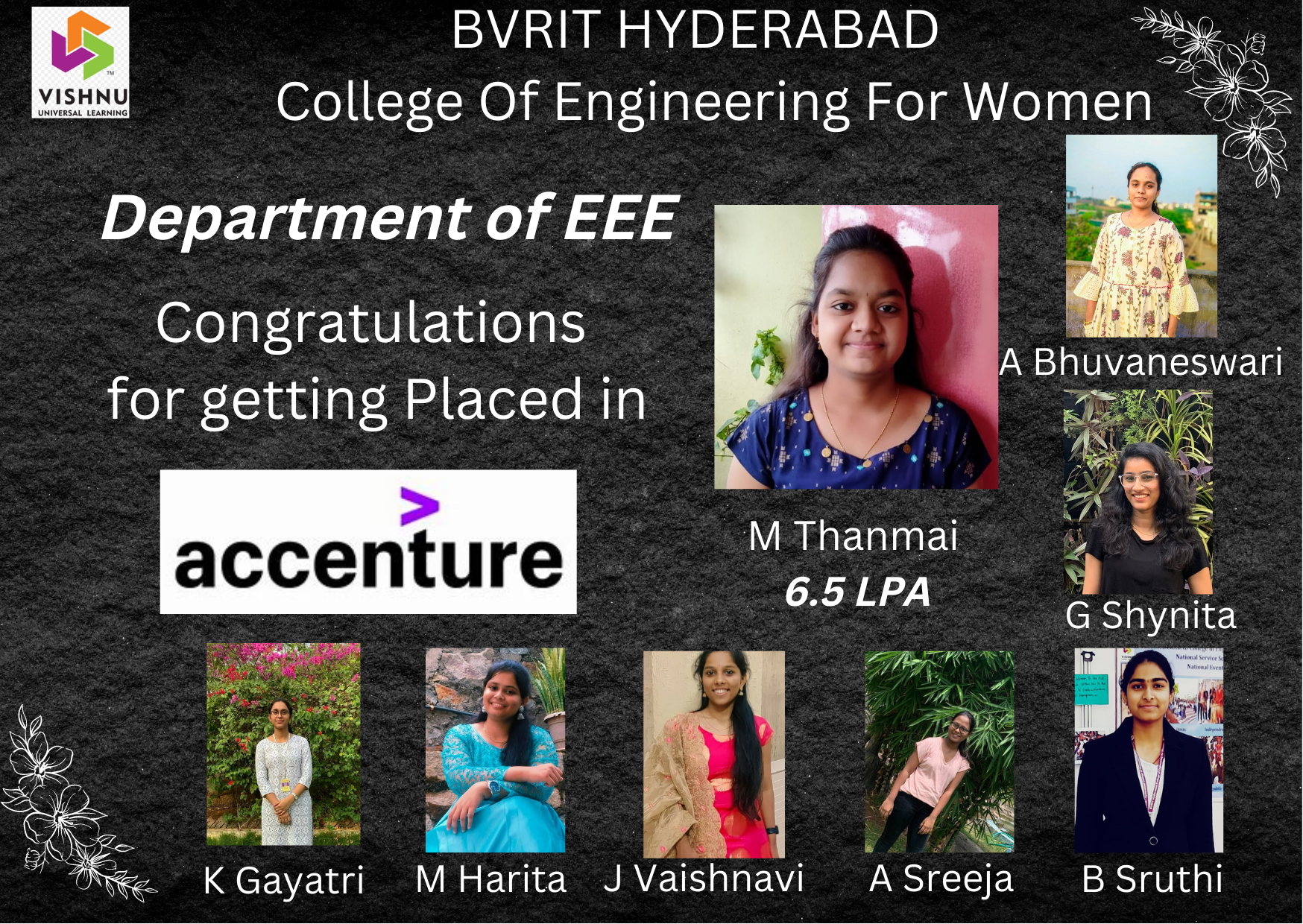
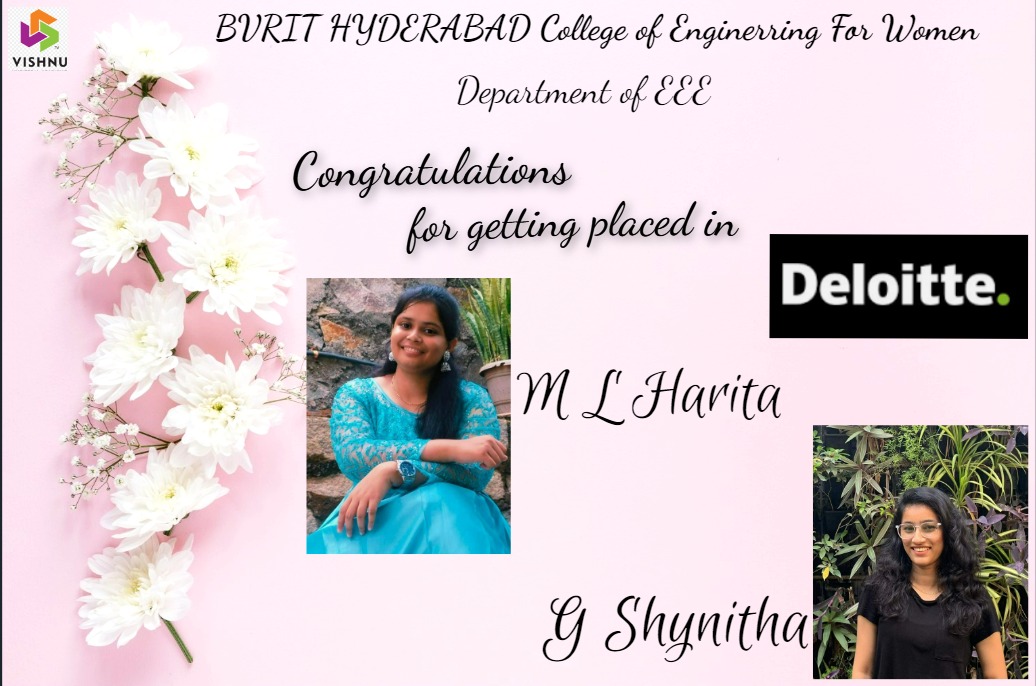
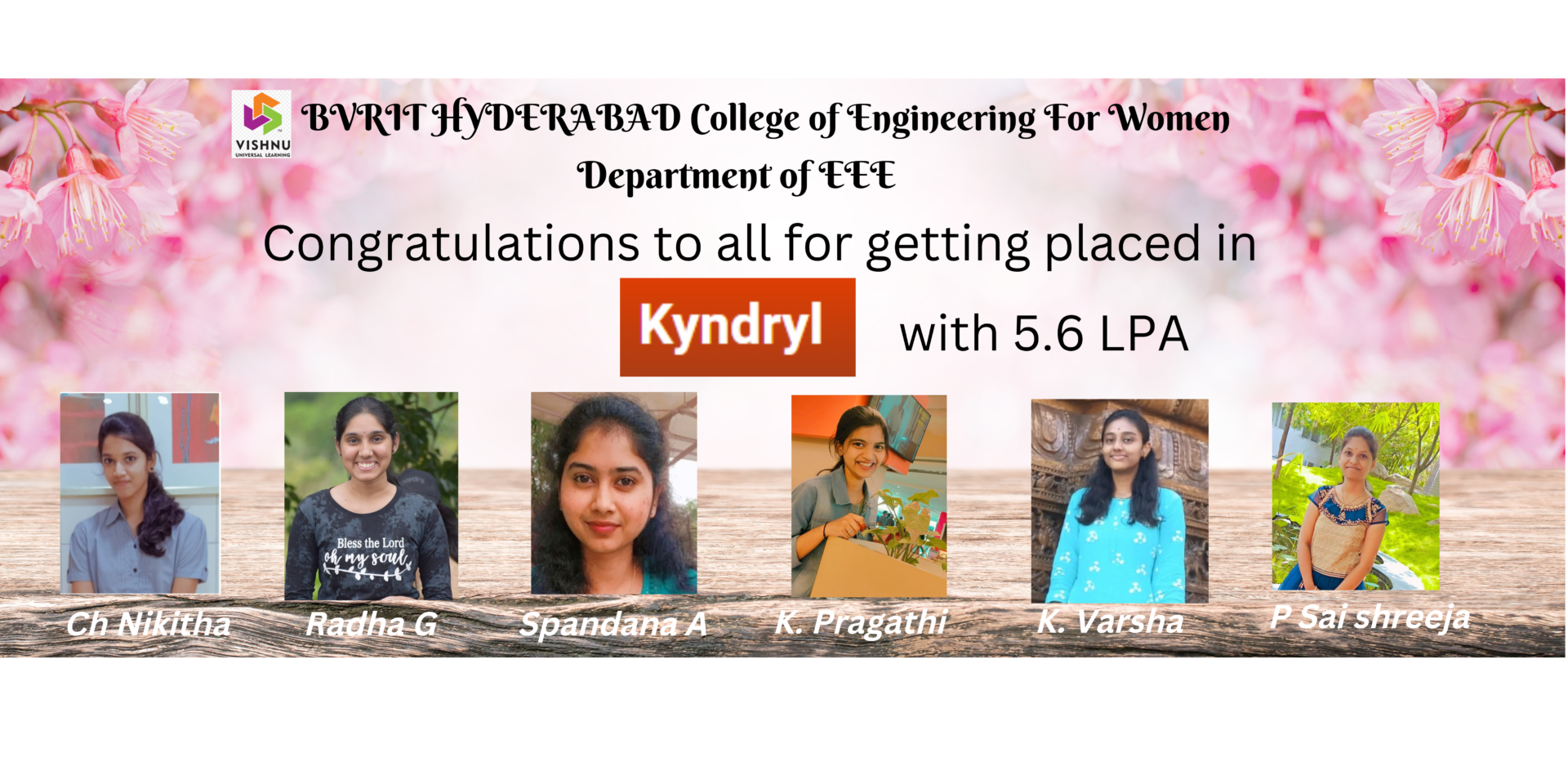
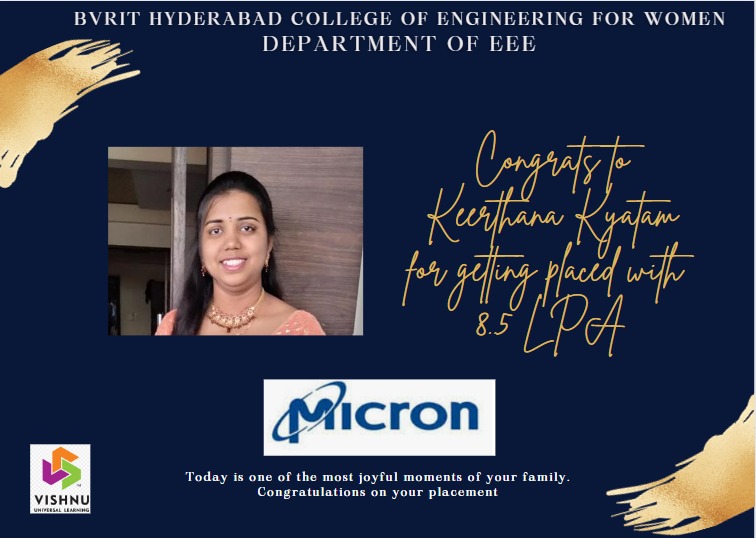
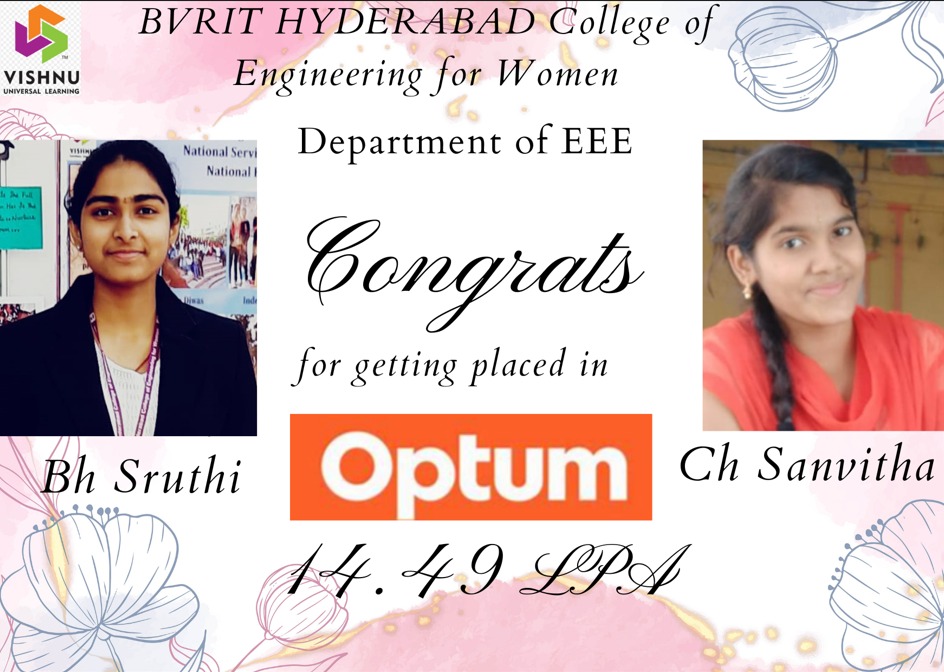
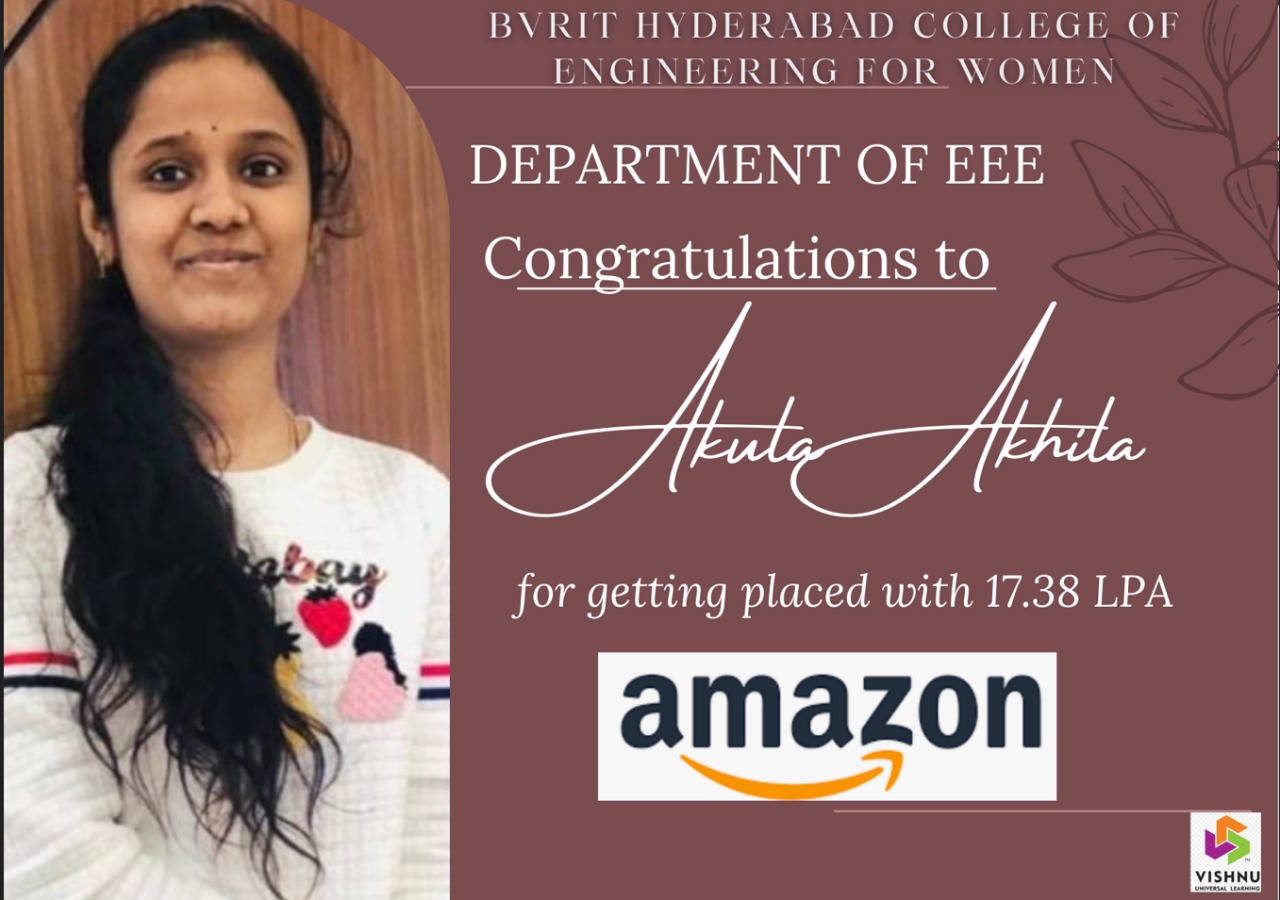
The department has a strong placement record, with students securing opportunities in renowned organizations including Airbus, Micron, ABB, Mahindra & Mahindra, Hyundai, TVS Motors, Accenture, Capgemini, TCS, ADP, GE HealthCare, PayPal, and strong>Optum. Many alumni have also pursued higher education at prestigious institutions in India and abroad.
The department has achieved several notable milestones, including the JNTUH Gold Medal awarded to Ms. D. Sowmya (2014–18 Batch) and the NXP Women in Technology (WIT) Award, received by three students in consecutive years. It is also executing two Department of Science and Technology (DST), Government of India funded projects worth approximately ₹86 lakhs in the areas of renewable energy and IoT-based healthcare. The campus also houses a 34 kWp Grid-Tied Rooftop Solar PV System, promoting sustainable energy practices.
The Department actively promotes innovation and entrepreneurship by encouraging students to participate in national-level hackathons and funding initiatives. Our students have secured prestigious grants, including ₹15 Lakh under the MSME IDEA Hackathon 5.0, for developing innovative solutions to real-world engineering challenges.
The Department through its CoE Electric Vehicles (Vishnu Vehicle Design Lab), encourages students to engage in cutting-edge automotive technologies. Students have actively participated in several national-level competitions involving Electric Vehicles (EVs), Hybrid Electric Vehicles (HEVs) and Autonomous Vehicles, earning numerous awards, accolades and cash prizes for their outstanding performance and innovation.
The department is headed by Dr. M. Sharanya, M.Tech., Ph.D., an accomplished academician and researcher with over 40 research publications, 4 patents, 1 book, and 3 book chapters. Her research interests include Power Electronics, Power Quality, Renewable Energy, and Electric Vehicles. She has received several prestigious recognitions, including the Outstanding Contribution in Education Services Award (2024), IRSD Distinguished Academic Leader Award (2024), Elite Teacher Award (2021), and the Dr. A.P.J. Abdul Kalam Gold Medal (2019).
Vision
To develop comprehensively trained and socially responsible women electrical and electronics engineers with competencies and capabilities to adapt to new challenges.
Mission
M1: To empower the students adept at latest technologies by providing innovative learning environment.
M2: To cultivate interdisciplinary research mindset and outlook to develop engineering solutions.
M3: To inculcate ethical behavior and professional attitude in order to embrace holistic concept of living.
Program Outcomes (POs)
Program Educational Objectives (PEOs)
After three to six years of graduation, the graduates of this program will be able to:
Program Specific Outcomes (PSOs)
The graduates of this program will be able to:
PSO-1: Apply fundamental knowledge to analyze and implement solutions for societal challenges through enhanced experience.
PSO-2: Attain competence in using novel tools for the design and analysis of grid connected renewable energy systems towards research activities.